

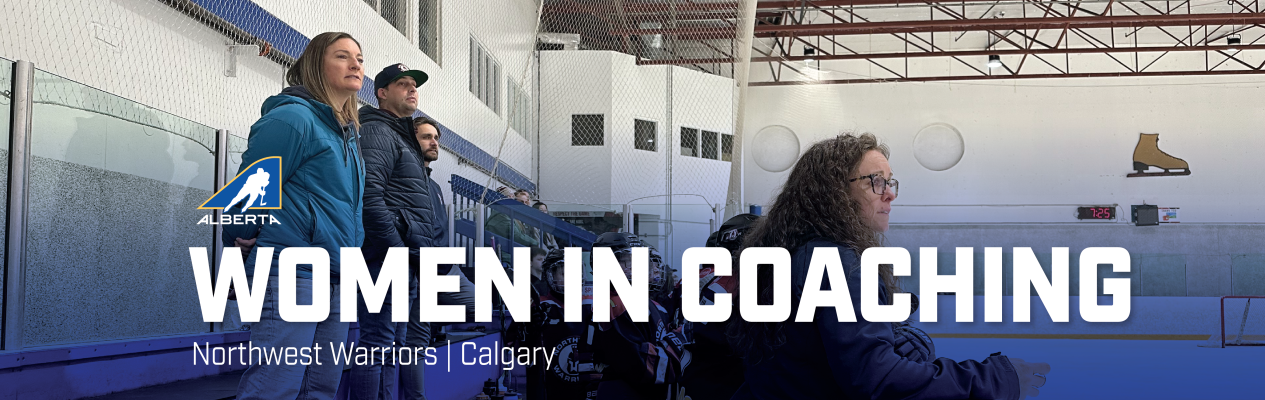
Behind the bench is where coaches shape the game beyond the scoreboard. At the Northwest Warriors (NWW), those positions are becoming more representative than ever, as the association works to build an inclusive coaching culture that welcomes and supports women in leadership roles.
At the heart of this shift is a simple but powerful belief: representation matters. For leaders like Dianne Liwanag, DEI committee member, that belief sparked the creation of NWW’s Women in Coaching initiative.
“Let’s get more females on the coaching rosters” Liwanag says a phrase that has become both a goal and a guiding principle behind the program.
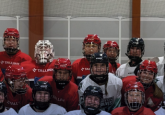
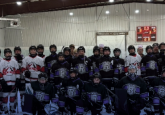
What began as a desire to better support women within the association has grown into a movement that is changing team culture, player experience, and long-term pathways in the sport. This season alone, 24 female coaches and 4 junior coaches are rostered within NWW, including women serving as first time head coaches, a milestone that signals meaningful progress.
Liwanag’s motivation was deeply personal. She wanted her daughter to grow up seeing women in leadership roles on the bench and for boys to hear and respect different voices and perspectives in hockey spaces.
“It’s important for kids to see female coaches,” she explains. “For some players, the most positive outcome was that they felt comfortable going to the female coaches. They felt safe, supported, and heard”.
That comfort has translated directly into better team environments. Players benefit from different communication styles, leadership approaches, and energy. Which results in the impact going well beyond wins and losses.
One of the most intentional parts of the initiative was outreach. Rather than waiting for women to raise their hands, NWW went directly to the stands during evaluations, speaking with moms who had hockey experience but never considered coaching.
“So many women had the background, they just didn’t see themselves there,” Liwanag says. With encouragement and structural support from the association, that hesitation began to fade.
To expand the reach even further, Stacy Ewing, DEI committee member, led a targeted recruitment effort focused on post-secondary institutions with female hockey programs. She connected with coaching staff, student support services, and practicum coordinators at the University of Calgary, SAIT, and Mount Royal University, helping share coaching opportunities directly with students. The response was strong, generating significant interest from women eager to volunteer as coaches and helpers.
According to Andrea Trainor, DEI committee member, the initiative’s growth has been fuelled by removing barriers and creating community.
“Dianne has put so much effort into starting and growing this initiative,” Trainor says, “as it continues to grow, we’re working to make it more formal and to build a true female coach community”.
NWW now communicates clearly that any female who wants to coach will be rostered, eliminating traditional limits on coach numbers that can unintentionally exclude women. This change alone has helped head coaches embrace the initiative and shift long standing norms.
Trainor also emphasizes that female coaches belong on every team, not just female rosters.
“I think it’s incredibly important to have female coaches on teams of all male players,” she says. “It affects players’ perceptions of who belongs. If a female coach isn’t welcome, why would a female player be?”
Trainor speaks from experience, currently serving as an assistant coach on an all-male team, where she has felt welcomed, respected, and valued by players, parents, and fellow coaches alike.
That inclusion is intentional and supported at the leadership level and board. Matt Hunter, Manager of Hockey Operations from NWW, says the initiative began by challenging deeply rooted assumptions.
“We realized our parents were aligned with traditional norms, dads coaching and moms managing,” Hunter says. “We knew we could do more”.
By encouraging women to step into coaching roles and recognizing that children benefit from many coaching styles, NWW has seen tangible change.
“Our female coaches have improved team atmosphere, collaboration, and communication,” Hunter notes. “They’ve made our teams better.”
Looking ahead, success is clearly defined: at least one female coach on every bench. To support that vision, NWW covers the cost of the Keeping Girls in Sport course, invests in mentorship, and plans to host female only coaching clinics before teams are formed, making it easier for women who are “on the fence” to get involved.
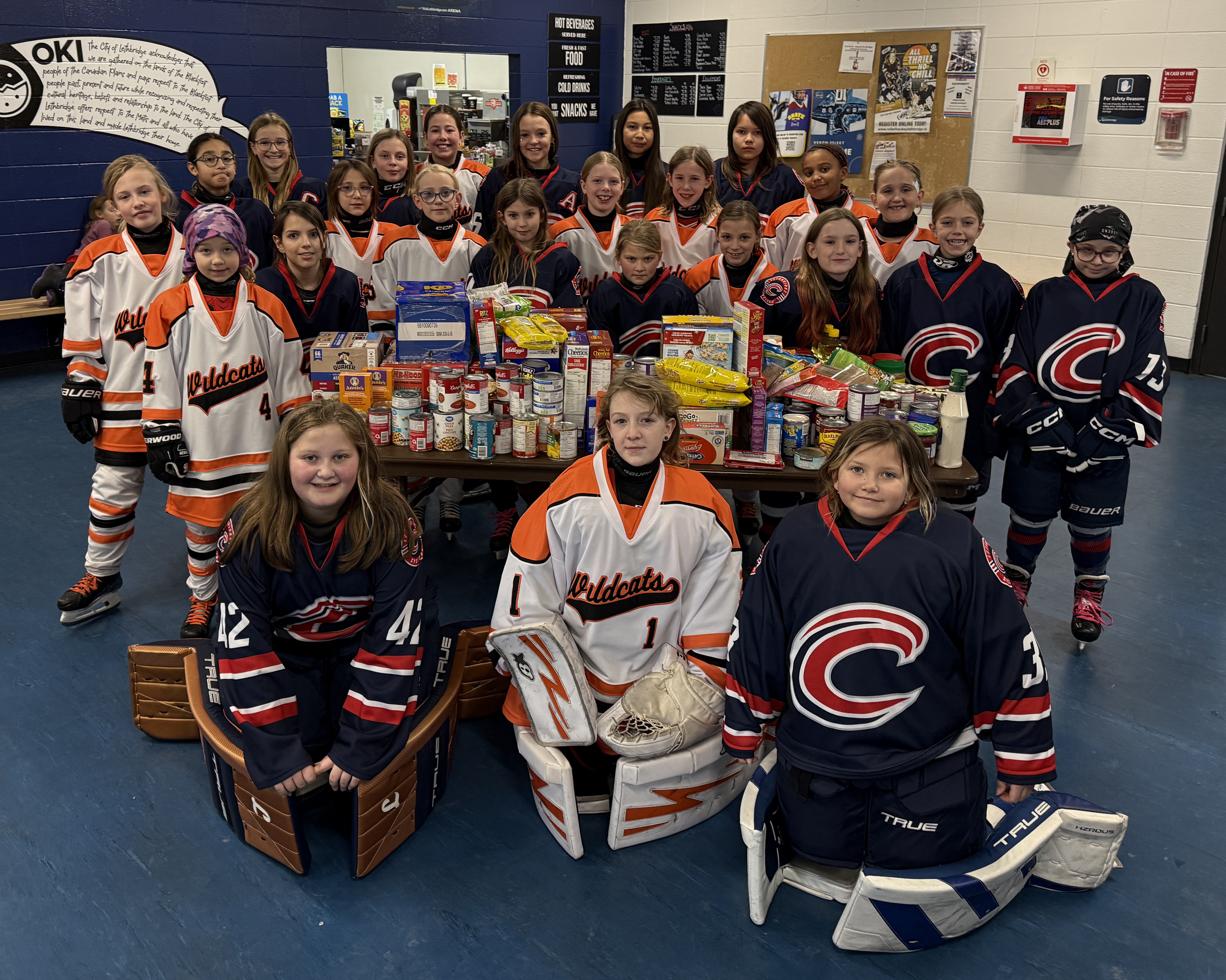
Beyond the bench, NWW continues to celebrate female participation through events like Girls Hockey Day 2026, presented by the West Hillhurst Community Association and Northwest Warriors Hockey Association. Taking place on January 25, 2026, the event brings together players, coaches, parents, and mentors for on ice sessions, off ice activities, and community connection.
Girls Hockey Day is more than a celebration, it’s a statement. One that reinforces confidence, builds belonging, and shows young athletes that there is a place for them in hockey for as long as they want it.
Looking ahead, the ultimate goal is simple but powerful.
“I would love to see a female coach on every bench,” Liwanag’s says “from Timbits to the highest levels, building that pathway keeps girls in sport and keeps hockey stronger”.
Thinking about stepping behind the bench next season? Whether you’re new to coaching or looking to get more involved, learn more about coaching clinics and opportunities here.