Hockey CanadaBC HockeyHockey AlbertaHockey SaskHockey ManitobaHockey Northwestern OntarioOntario Hockey FederationHockey Easern OntarioQuebec Hockey NetworkHockey New BrunswickHockey PEIHockey Nova ScotiaHockey NLHockey North

News

Implementation Process Underway For New Female Hockey Model

RED DEER – The implementation process is underway to restructure the operational model for Female Hockey at all levels in Alberta.

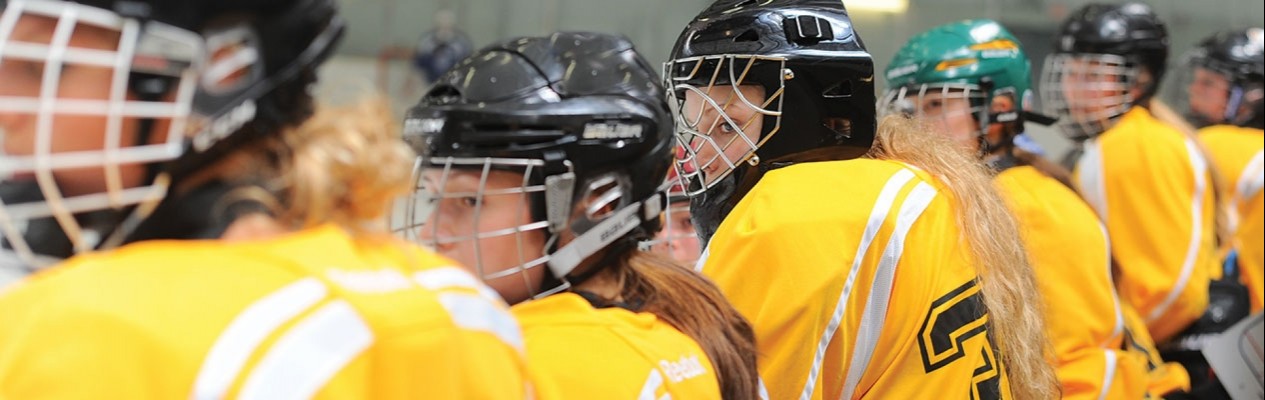
When complete, Hockey Alberta’s new Female Hockey Model will provide a standardized, province-wide pyramid system of hockey and the opportunity for female players to develop and progress from a strong foundation of Grassroots programming through to the Elite and Midget AAA levels and into Team Alberta’s high performance programs.

The first step in the implementation process for the new Female Hockey Model is announcing six communities selected by Hockey Alberta to host Midget AAA franchises. The communities are Calgary, Edmonton, Lloydminster, Okotoks, Red Deer and St. Albert.

The six communities selected to host Midget AAA franchises were chosen based on a comprehensive process that included a review of regional demographics for female hockey, and an application, interview, and in-person presentation process coordinated by an Elite Female implementation committee. There will be no defined boundaries for Midget AAA teams, with players able to choose the team for which they wish to try out.

In addition to hosting AAA franchises, the six centres will host Midget Elite and Bantam Elite teams. The Midget and Bantam Elite divisions each will have 12 teams. These teams will be located strategically in communities across northern, central and southern Alberta to ensure players have access to an Elite division program within a reasonable distance from their homes. Elite division teams will have defined geographical regions that determine the team for which a player is eligible to try out. Hockey Alberta is in the process of confirming host locations for the remaining six Midget and Bantam elite teams based on current female hockey programming, geography, and registration demographics.

Establishing the structure and numbers of teams for the Midget AAA, and Midget and Bantam Elite divisions was an integral part of the work that has been undertaken over the past three years by the Female Hockey Review Committee. Providing the best environment for athlete development was the overarching goal of the committee, which included members representing a cross-section of levels, leagues and communities.

“Ultimately, the final decision in establishing the locations of the Midget AAA and Elite division teams was based on three pillars,” said Greg Nesom, a member of the Female Hockey Review Committee. “First, it was imperative to establish a model where teams are set up for success, where the athletes play with their peers in skill and age. Second, by playing within an appropriate level division, our athletes will have better opportunities to advance to higher levels of competition. They will develop enhanced fundamental skills through more puck touches, quality ice time, and system play.”

“The new model provides each female player in Alberta with the chance to start playing in her home community, then progress to a regionally-based Elite team at Bantam or Midget, and potentially move to the top of the pyramid at Midget AAA,” Nesom said.

The Review committee determined that approximately 10 per cent of all female hockey players in Alberta should be playing at the Midget AAA level. For the Midget and Bantam Elite levels, which are designed as a bridge between the Grassroots and AAA Midget programs, it was determined that approximately 20 per cent of players, or 12 teams, should be playing at that level.

The remaining approximately 70 per cent of female hockey players would play within a grassroots model of tiered divisions. Grassroots Female hockey would see approximately 60 teams playing at each of the Atom and Peewee level across the province, with approximately 40 Bantam and 35 Midget grassroots teams, in addition to the AAA and Elite teams in divisions.

“With the new model, female hockey players across Alberta will be able to develop their skills by playing in consistent leagues that will better prepare them as they strive to advance to the highest level of competition in the province,” said Mel Davidson, Hockey Canada’s general manager of national women’s team programs. “Players will now have the opportunity to excel from the grassroots level in their local communities through to the Elite and Midget AAA levels where they will be able to develop by competing and practicing in an appropriate division against the top female talent in the province.”

Specific recommendations regarding the new structure for Grassroots Female hockey are being finalized by Hockey Alberta’s Grassroots Implementation Committee. The focus for the Grassroots committee is to provide the opportunity for female players to access teams within close proximity to their home town, while also ensuring that peers are playing with peers in age and ability.

Work has been ongoing for three years on developing a new Female Hockey Model. A third-party report in 2013 stated that participants within the game felt very strongly that an overall structural change was required to facilitate the growth of the female game. In 2015, recommendations from a Female Review Committee were approved by Hockey Alberta’s Board of Directors leading to the creation of the Elite and Grassroots committees, with a goal of having a new structure for Female Hockey in place for the 2016-17 season.
News

Western Branches Announce Alternate Season Program Offering

RED DEER - BC Hockey, Hockey Alberta, the Saskatchewan Hockey Association and Hockey Manitoba have announced the implementation of standardized alternate season programming for Western Canada.

The four Provincial Branch organizations of Hockey Canada have adopted programming and policy for alternate season hockey in their respective areas, standardizing the registration of alternate season or spring hockey teams across Western Canada. Alternate season hockey activities are those that occur from April 1-July 15.

Participation in structured hockey, other than the traditional winter season that runs from September to March, continues to grow. For the most part, hockey which takes place outside of this traditional season has taken place outside of the minor hockey association system and therefore lies outside the realm of the governing bodies in each province.

This new alternate season programming model addresses questions and concerns from participants as to why the non-traditional season programming does not operate under the governance of Hockey Canada and its member Branches.

“BC Hockey implemented a Spring Hockey Program in 2011 and we are happy to have our Western Canadian neighbours implement the program,” said BC Hockey Chief Executive Officer Barry Petrachenko. “Our hope is to engage spring hockey teams and tournaments across Western Canada in working together to offer greater hockey options to minor hockey players.”

The Western alternate season model will differ from traditional season hockey. Local Minor Hockey Associations will be able to operate an alternate season, or there will be the opportunity for other groups to register directly with a Branch for the alternate season only. Other features of the alternate season will include:

  • Registration through Branch and Insurance through Hockey Canada.
  • No boundaries or registration regulations pertaining to where players may play, including open boundaries between provinces.
  • Tournament registration with flexible rosters for each tournament
  • Guidelines for the tryout procedures, with strict violation standards which could impact mainstream eligibility if not adhered to for coaches and players.

“The large majority of hockey players that play in the traditional winter season move onto new activities and sports in the spring and early summer which we totally support and encourage,” said Hockey Alberta Executive Director Rob Litwinski. “For those players, families and minor hockey associations that do wish to continue to play hockey into spring we believe this option will allow them to do this under our governing bodies.”

Hockey Canada and its branches support the Long Term Player Development (LTPD) model which encourages athletes to participate in other sports. However, for participants looking for alternate hockey activities, the goal is to make this experience as valuable, safe and fair as possible through programming support from the governing bodies. This alternate season model is a window for those who wish to continue hockey but ideally not in pure games competitive model. Developing skills remains the intended focus for any organization offering alternate season programming.

“We look forward to extending services to SHA registered players, coaches, officials and families who choose to extend their hockey season into the Spring/Summer Hockey months,” said Saskatchewan Hockey Association General Manager Kelly McClintock. “The goal will be to work together to provide a safe and healthy learning environment for all kids whether it be the traditional Fall/Winter season or the Spring/Summer option.”

Alternate season team activities may not interfere with any tradition season team functions of any participant. As well, minimum suspension guidelines for each Branch and Hockey Canada will apply, with alternate season suspensions carried over between the traditional and alternate seasons.

“Hockey Manitoba recognizes that the majority of our members choose to exclusively participate in the game during the traditional winter season, and these tremendous programs are made possible through the dedication of literally thousands of volunteers across the province", stated Peter Woods Executive Director of Hockey Manitoba. Woods added, "Although we are committed to a long-term athlete development model which encourages participation in a variety of athletic pursuits, we are pleased to join our Western Branch partners and provide an alternate season program for interested families with a focus on the development of skills in a safe, structured environment."

Teams that register for the program will provide participants with access to insurance and certification programs for players, coaches and officials. A standard registration fee of $10 per participant and $50 per team will apply across the provinces. Although preparations are underway for the upcoming spring season, registration and sanctioning is still available to teams and tournaments that are already formed for 2016.

BC Hockey, Hockey Alberta, Saskatchewan Hockey Association and Hockey Manitoba are each member Branches of Hockey Canada.